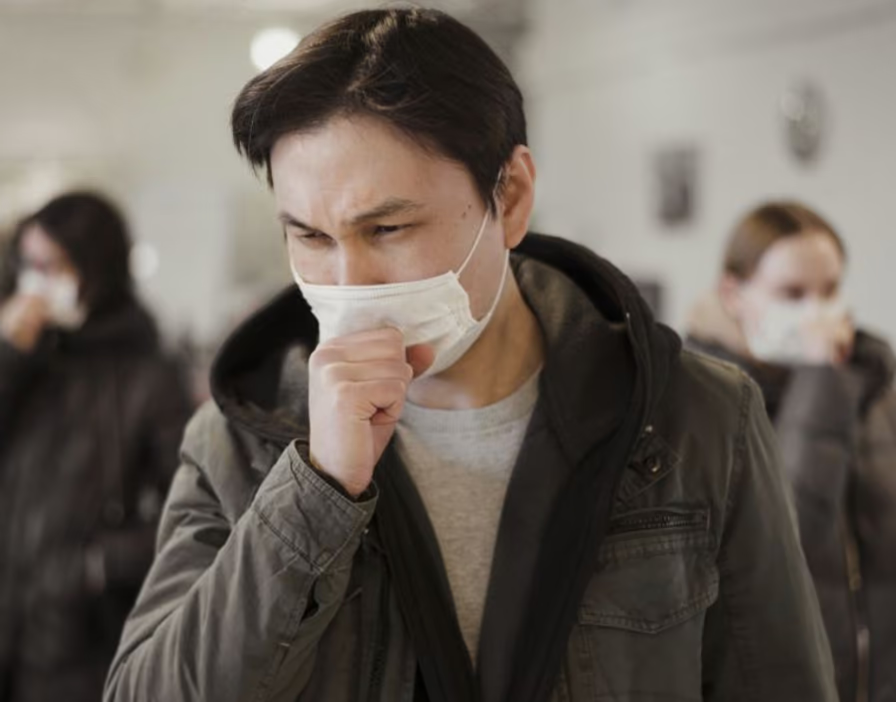
PM2.5 particulate matter affects more than the lungs. It also acts as an endocrine disruptor: it can enter the bloodstream and interfere with the balance of key hormones such as cortisol, thyroid hormones and sex hormones. Chronic exposure to pollution therefore affects metabolism and cellular aging, which makes preventive medicine essential for maintaining quality of life during a dust crisis.
More Than a Matter of the “Lungs”: It Is About the Body’s “Command System”
We are usually taught to guard against PM2.5 because of its effects on the respiratory system, but longevity medicine has found something more worrying: these tiny particles behave like a “silent manipulator” that can interfere with the body’s hormonal system through mechanisms we may overlook.
3 Routes by Which PM2.5 “Disrupts” the Body’s Internal Systems
Medical evidence shows that particles smaller than 2.5 microns can cause far more chaos in the body than we might think:
- Impersonating hormones (endocrine disruption): Polycyclic aromatic hydrocarbons (PAHs) and heavy metals carried on dust particles can act as “endocrine disruptors”, binding to hormone receptors in place of real hormones and disrupting the control system for sex hormones or thyroid hormones.
- Targeting the brain’s command center: Ultrafine particles can travel along the olfactory pathway directly to the hypothalamus, the brain region that regulates the production of almost all of the body’s hormones.
- Triggering a chronic stress response: Pollution entering the body triggers cellular inflammation, causing the body to keep releasing the stress hormone cortisol, which in turn harms sleep and blood sugar levels.
Signs That Your Body Can No Longer Cope With the “Dust”
When the hormonal system starts to lose balance, the body sends warning signs that many people never connect with dust:
- Metabolic Shift: A feeling that your metabolism has slowed, or that losing weight has become unusually difficult
- Brain Fog & Fatigue: Brain fog and mood swings, or never feeling refreshed no matter how much you rest
- Skin & Aging: Deteriorating skin, as the body’s repair hormone (growth hormone) cannot work at full capacity
Protect Your “Edge” From the Pollution Crisis
The best protection is to care for the outside and the inside at the same time:
- External Defense: Wear a mask that filters PM2.5 when you have to be in a high-risk area, and use a high-quality air purifier.
- Nutritional Defense: Supplement with antioxidants such as vitamins C and E and polyphenols to reduce dust-induced inflammation.
- Professional Monitoring: If you have chronic fatigue, checking your hormone balance and inflammatory markers helps pinpoint the root cause and plan a precise recovery.
Summary
Longevity begins with prevention, before problems arise. Understanding how PM2.5 affects the body’s internal systems helps us design comprehensive self-care that keeps us fresh and strong for as long as possible.